
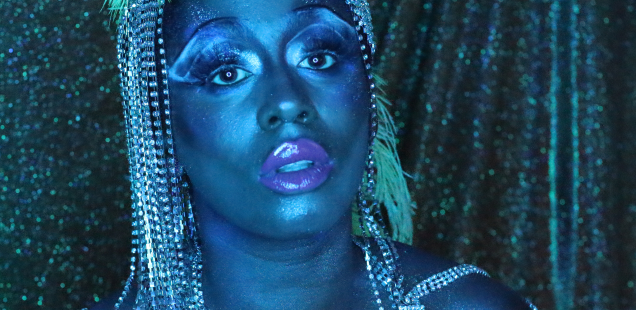
Interview: British-Nigerian Multidisciplinary Artist Nwando Ebizie
Ahead of Nwando Ebizie‘s upcoming performance alongside the BBC Concert Orchestra on BBC Radio 3’s Unclassified Live, and the release of new album ‘All the Calm of a Distant Sea’, we chatted with the genre-defying musician about 2025, inspirations, Afrofuturism, and Unmissable Things To Do in London!
Unclassified Live | Southbank Centre | 23 January | From £15
Hi Nwando, thanks for taking the time to answer some of our questions. How has 2025 started for you?
Deep in dance mode, deep in the snow! Second of January I was in the dance studio with my choreographer! We walked out at 10pm to -10 degree weather, icy footpaths and clear starry skies.
You must be so excited to get new album ‘All the Calm of a Distant Sea’ out there – what were your inspirations for this release?
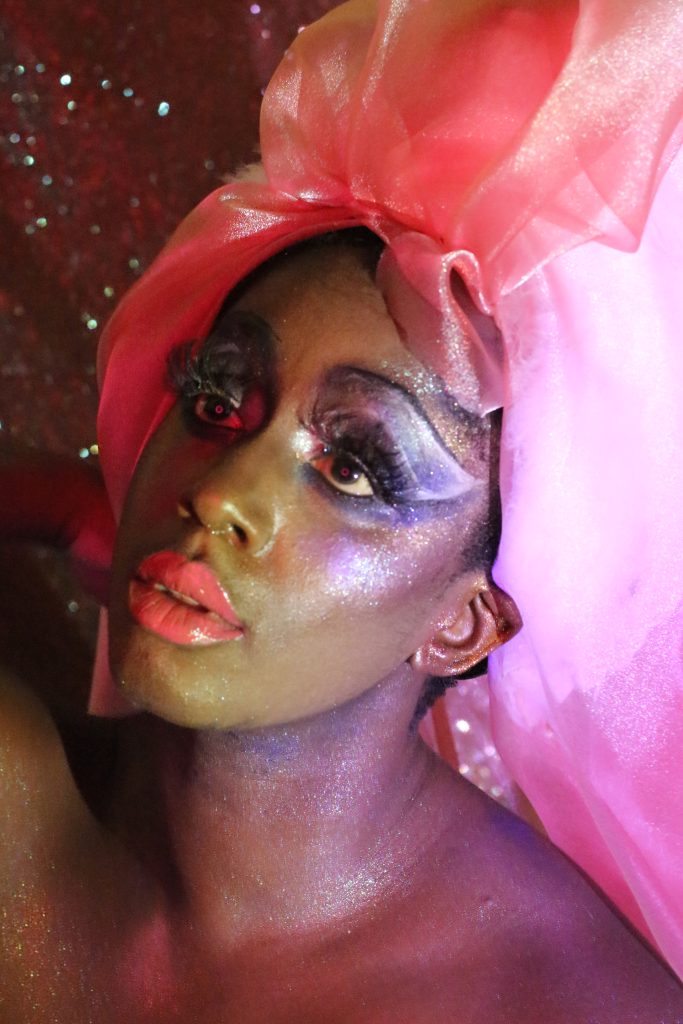
The album is a moment in a constellation of my mythopoetic journey.
An exploration of the Black Atlantic via the two sisters common to many of the syncretic spiritualities – from Nigeria to Cuba, Haiti to Brazil.
My work deals with ritual. Like most of my pieces (sonic, visual or physical) I begin with the ritual that I want to create – and it is often a ritual that I feel I need within my life at the moment. Lessons I need to learn. Initiations I need to go through. I create a mythopoetic journey – feeling out what this should be and then I convert it into a poetic text.
It is inspired by the Yanvalou – a beautiful spiritual dance from Haiti where you feel the unulation of the waves through your body.
One of the influences for the album was my interest in sustainable materials. I was working with a material process called Tadelakt. This is an ancient form of working with lime render to create water-resistant polished looking surface. We were taught how to form the material from the sandy, grainy substance back into a thin material, hard as rock. And how to ‘burnish’ without fire – but just with a small piece of marble – compressing the grains back together until they formed a nano layer so thin that it became water-resistant.
I was in awe of connecting with this process, with this material that comes from the earth and then we insert the human in its life-cycle to return it back to a rock-like substance. Whilst sitting on one of my favourite rocks, I thought about the material’s journey – from rock, breaking down over eons through the gentle persuasion of rain and other rocks. I thought about how giant mountains were younger than smaller mountains – in a more-than human cycle that will last eons before they too are ground down to smaller hills.
And a feeling of a piece of music began to form in my mind, inspired by Jung’s alchemical concept of Solve et Coagula. This dictum states that as the alchemists observed – in order to be transformed, a substance must first dissolve, be broken down before it can re-coagulate. And so in order to transform, the self at times must dissolve in order to be reconstituted anew.
The mythic journey depicted in the album works on mythic time (time that can move forwards, backwards, in cycles, can feel expanded into eternity or feel like no time has past), mythic place (the heroine is in the sea and travels suddenly down a waterfall – inland and upstream and downstream – natural processes can be reversed) and mythic personhood (the heroine is a rock, a grain of sand, many grains of sand, stretched out across space and compressed into tiny form).

What role do you see Afrofuturism playing in (re-)shaping a positive way forward in the midst of all the chaos?
We need all kinds of Afro Fabulation and Indigenous speculation to dream up futures. I like to look backwards, sidewards and forwards – draw together Lo-tek Indegenous Design – ways of being and creating from the earth that are inherently sustainable and draw various disciplines together, acceptance of neurodiversity, examples of thinking about time as circular and most importantly – thinking about what we can do to make the earth beautiful for our future children – seven generations in the future (The Great Law of Peace).
As a science fiction obsessive, what recent works of sci-if would you recommend we check out?
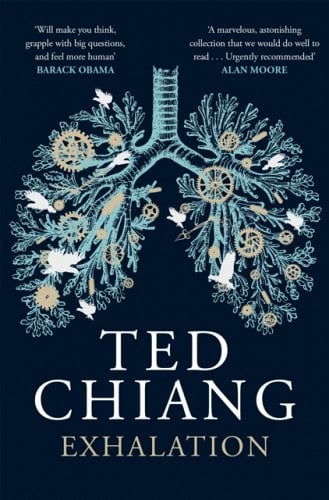
In recent years – everything Ted Chiang has written. I wish he’d write more! Exhalation Stories was amazing and weirdly reminded me of Jorge Luis Borges in parts.
Ama Josephine Budge is this amazing pleasure activisit, queer feminist, afrofuturist. I love her short stories – like the one No home left behind – a story about a sentient home in the future. It’s a brilliant perspective on climate change.
What are your favourite Things To Do in London?
I love to swim outside – so one of my favourite places is the ladies pond in Hampstead Heath.
Check out Nwando’s first album, The Swan:
All Nwando Ebizie Images: Natalie Sharp

Occasionally the To Do List team are forced to work together.
Rupert likes: free, cheap & offbeat London, especially: cabaret, art, theatre, pop-ups, eating out, quirky films, museums, day trips, social enterprise & much more.
Stuart likes: nice pubs, film marathons, not doing real marathons, bad comedy, plays/musicals with shorter second halves, and the Oxford comma.


